
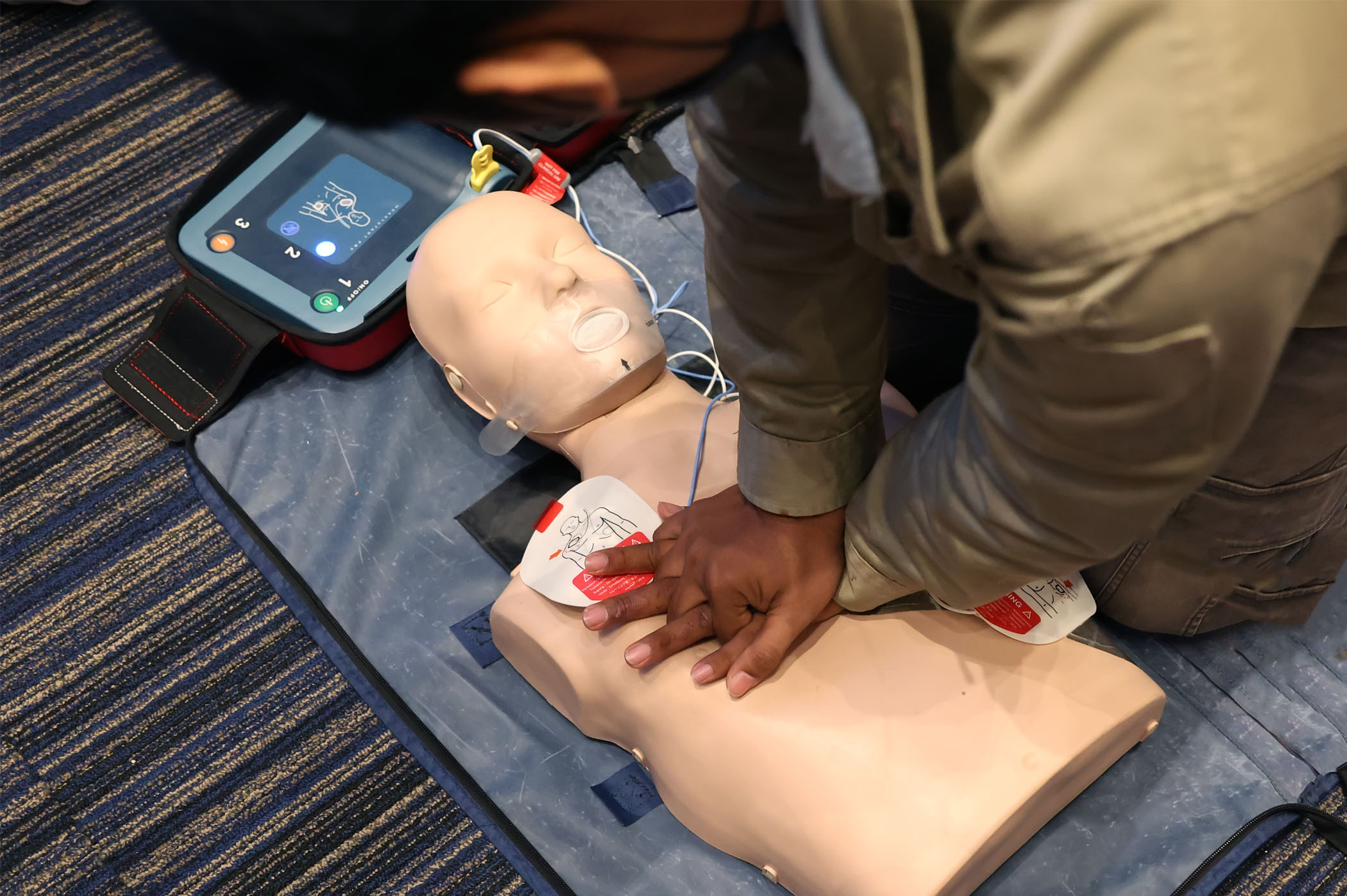
Whether you're starting a new career or looking to add valuable skills to your resume, CPR certification is one of the most widely recognized workplace credentials. In many professions it's a requirement.
From healthcare professionals to childcare providers, knowing how to respond during a cardiac or breathing emergency can save lives while helping you meet employer and licensing requirements.
If you're wondering whether you need CPR certification, here are 10 careers where CPR training is commonly required or strongly recommended.
1. Certified Nursing Assistants (CNAs)
Certified Nursing Assistants work directly with patients in hospitals, nursing homes, rehabilitation centers, and assisted living facilities. Because CNAs often provide hands-on patient care, employers typically require current Basic Life Support (BLS) CPR certification.
Why CPR matters:
- Respond quickly to cardiac emergencies
- Assist nurses during medical emergencies
- Meet employer and state requirements
2. Emergency Medical Technicians (EMTs)
EMTs are first responders who treat patients before they arrive at the hospital. CPR is one of the foundational skills every EMT uses throughout their career.
During EMT training, students learn advanced emergency response techniques, but maintaining current CPR certification remains essential.
Typical certification required: BLS
Paramedics: BLS, ACLS, and PALS
3. Medical Assistants
Medical Assistants work in physician offices, urgent care centers, and specialty clinics where medical emergencies can occur unexpectedly.
Many employers require CPR certification before hiring, especially in clinics that treat high-risk patients.
CPR-certified Medical Assistants provide an added level of safety and confidence for both employers and patients.
4. Registered Nurses (RNs) and Licensed Practical Nurses (LPNs)
Virtually every hospital and healthcare facility requires nurses to maintain current CPR and BLS certifications throughout their employment.
Depending on their specialty, nurses may also complete:
- Advanced Cardiovascular Life Support (ACLS)
- Pediatric Advanced Life Support (PALS)
- Neonatal Resuscitation Program (NRP)
These certifications prepare healthcare providers to respond confidently during life-threatening emergencies.
5. Childcare Providers
Whether working in a daycare, preschool, or private childcare setting, caregivers are responsible for children's safety every day.
Many states require childcare providers to complete CPR and First Aid certification before receiving licensing or employment.
Children can experience:
- Choking
- Allergic reactions
- Cardiac emergencies
- Drowning incidents
Proper training allows caregivers to respond immediately while waiting for emergency services.
6. Teachers and School Staff
Schools increasingly require teachers, coaches, and support staff to maintain CPR certification.
School personnel may be the first adults available when a student experiences:
- Sudden cardiac arrest
- Asthma attacks
- Seizures
- Choking emergencies
Having CPR-trained staff throughout a campus significantly improves emergency preparedness.
7. Lifeguards
Lifeguards are trained to respond within seconds during aquatic emergencies.
CPR certification is typically required alongside:
- First Aid
- AED Training
- Water Rescue Certification
Quick CPR intervention following a drowning incident dramatically improves survival outcomes.
8. Fitness Trainers and Coaches
Personal trainers, gym employees, athletic trainers, and sports coaches often supervise individuals participating in strenuous physical activity.
Because sudden cardiac arrest can occur during exercise—even among healthy individuals—many gyms require CPR certification as a condition of employment.
Clients also feel more confident knowing their trainer is prepared for emergencies.
9. Firefighters and Law Enforcement Officers
Police officers, firefighters, and other public safety professionals frequently arrive before EMS during emergencies.
CPR training enables them to:
- Begin lifesaving care immediately
- Use an Automated External Defibrillator (AED)
- Stabilize patients until paramedics arrive
Many agencies require CPR certification as part of academy training and ongoing professional development.
10. Home Health Aides and Caregivers
As more seniors receive care at home, caregivers are increasingly expected to know CPR and First Aid.
Home Health Aides assist clients who may have:
- Heart disease
- Respiratory conditions
- Mobility limitations
- Chronic illnesses
Being CPR certified provides peace of mind for both families and employers.
Why Employers Value CPR Certification
Even in positions where CPR isn't legally required, employers often prioritize applicants who are already certified.
Benefits include:
- Demonstrates responsibility and professionalism
- Increases workplace safety
- Reduces onboarding time
- Helps organizations meet compliance requirements
- Shows you're prepared to act during emergencies
For job seekers, CPR certification can help your resume stand out in competitive hiring markets.
Which CPR Course Do You Need?
The right certification depends on your profession.
Healthcare Professionals
Most hospitals and medical employers require Basic Life Support (BLS) certification.
This course covers:
- High-quality CPR for adults, children, and infants
- Two-rescuer CPR
- AED use
- Team-based emergency response
Workplace & General Public
Many employers outside healthcare require CPR/AED and First Aid certification.
This course is ideal for:
- Teachers
- Childcare providers
- Coaches
- Fitness professionals
- Office employees
- Construction workers
- Manufacturing teams
Get CPR Certified with Lifework Education
At Lifework Education, we offer CPR certification classes designed for healthcare professionals, employers, and individuals looking to gain lifesaving skills.
Our experienced instructors provide hands-on training through nationally recognized certification programs, helping students meet employer requirements while building the confidence to respond during real emergencies.
Whether you're renewing your certification or taking CPR for the first time, we'll help you find the right course for your career goals.
Ready to Get Certified?
CPR is more than a workplace requirement—it's a skill that can save the life of a coworker, patient, family member, or complete stranger.
If you're pursuing a career in healthcare, education, public safety, fitness, or childcare, earning your CPR certification is one of the smartest investments you can make in your future.
Register for your CPR, BLS, First Aid, or AED training with Lifework Education today and take the next step toward a safer workplace and a stronger career.