
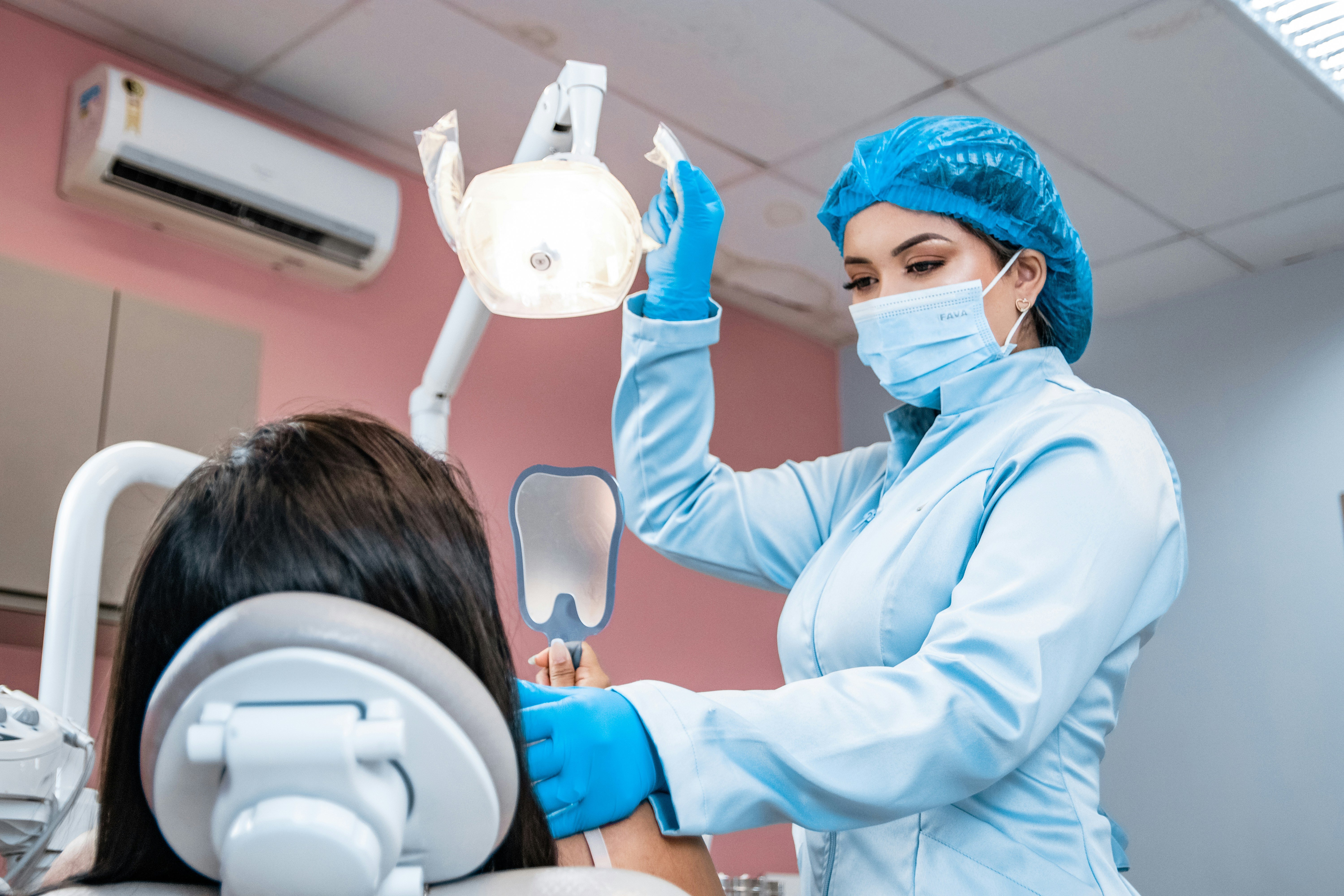
Dental practices prepare carefully for patient care, infection control and clinical procedures. Medical emergency readiness deserves the same attention.
A patient, employee or visitor could experience cardiac arrest, respiratory distress, an allergic reaction or another serious event inside the practice. The services a dental office provides, especially its level of sedation or anesthesia, can significantly affect the training, staffing, equipment and emergency-planning requirements it must meet.
These requirements vary by state, permit type, patient population and sedation level. Every practice should review the rules established by its state dental board and applicable professional organizations.
Start With the Level of Sedation Your Practice Provides
Sedation exists on a continuum. The intended depth of sedation matters more than the route used to administer it. A patient may also enter a deeper level of sedation than intended, which means the dental team must be prepared to recognize the change and provide an appropriate rescue response.
The American Dental Association’s 2025 guidelines outline progressively greater training and staffing recommendations as sedation moves from minimal to moderate, deep sedation and general anesthesia. Dentists must also comply with the laws and regulations of the state where they practice. Review the ADA Guidelines for the Use of Sedation and General Anesthesia by Dentists.
Minimal Sedation
Minimal sedation may include nitrous oxide or certain enteral medications when they produce a minimally depressed level of consciousness. The patient remains responsive to verbal commands and able to maintain an airway independently.
Under current ADA guidelines:
- The dentist administering minimal sedation should maintain current Basic Life Support certification.
- At least one additional person trained in BLS should be present.
- Positive-pressure oxygen delivery equipment should be immediately available.
- The team should be prepared to recognize and respond if the patient enters a deeper level of sedation.
Nitrous oxide does not automatically equal minimal sedation in every situation. Combining nitrous oxide with other sedative agents can produce moderate or deeper sedation, changing the preparation and rescue capabilities required.
Moderate Sedation
During moderate sedation, the patient experiences a deeper depression of consciousness but should still respond purposefully to verbal commands or light tactile stimulation.
The ADA guidelines call for a dentist administering moderate sedation to maintain:
- Current BLS certification
- Current Advanced Cardiac Life Support certification
- Current Pediatric Advanced Life Support certification when treating age-appropriate pediatric patients
At least one additional person trained in BLS should be present. Monitoring and equipment requirements also increase and may include continuous pulse oximetry, blood pressure and heart-rate monitoring, ECG monitoring and equipment for monitoring ventilation.
State requirements are not uniform. Some states may require additional personnel, permits, training or patient-monitoring qualifications. Practices should verify the rules that apply to the patients and procedures they serve.
Deep Sedation and General Anesthesia
Deep sedation and general anesthesia require more extensive preparation because patients may need assistance maintaining an airway or adequate ventilation.
According to ADA guidelines, a dentist administering deep sedation or general anesthesia should maintain BLS and ACLS certification. PALS is required when treating age-appropriate pediatric patients.
The ADA guidelines also specify a minimum team of three:
- One dentist qualified to administer deep sedation or general anesthesia
- Two additional individuals with current BLS certification
- A designated team member responsible for patient monitoring when the dentist administering anesthesia is also performing the dental procedure
Advanced airway equipment, resuscitation medications and an appropriate defibrillator should be immediately available.
Individual state requirements and permit conditions may be more specific. Practices should confirm their obligations directly with their state dental board.
Make Sure Your AED Is Ready
Having an AED onsite is an important part of emergency preparedness. Depending on the state and the level of sedation or anesthesia provided, an AED or another appropriate defibrillator may be required.
The ADA notes that many states require dental practices administering deep sedation or general anesthesia to have an AED available. State rules may also require a written emergency plan, specific rescue equipment or emergency medications. Review the ADA’s guidance on medical emergencies in dental offices.
Dental practices should routinely confirm:
- The AED is clearly marked and immediately accessible.
- Employees know its exact location.
- The battery is charged and within its usable life.
- Electrode pads have not expired.
- Pediatric pads are available when appropriate.
- The device shows no warning lights or maintenance alerts.
- Required emergency supplies are stored nearby.
- Staff members know how to operate the specific AED model.
The AED should not be kept in a locked room or an area that is difficult to access during patient care.
Match Staffing to the Procedure
Emergency preparedness should account for the number of people present and the role each person will perform.
ADA guidelines recommend that at least one BLS-trained person be present in addition to the dentist during minimal or moderate sedation. Deep sedation or general anesthesia calls for at least three individuals, including two additional team members with current BLS certification.
State regulations may establish different staffing rules based on factors such as:
- The type and depth of sedation
- The patient’s age
- Whether the operating dentist also administers the sedation
- Whether a separate anesthesia provider is present
- The type of sedation permit held by the dentist
- The monitoring qualifications of supporting personnel
Each practice should create a staffing plan that reflects its procedures, patient population and applicable regulations.
Create a Written Emergency Response Plan
An effective emergency plan assigns responsibilities before an emergency occurs.
The plan should identify who will:
- Assess the patient and begin CPR
- Call 911
- Retrieve and operate the AED
- Provide emergency oxygen
- Assist with airway management
- Retrieve emergency medications
- Monitor and document the patient’s condition
- Meet emergency responders at the entrance
- Manage other patients and visitors
The ADA’s 2025 sedation guidelines call for written emergency protocols and documented, rehearsed emergency drills at least every six months for offices providing sedation or general anesthesia.
Practices should review their state requirements to determine which rescue medications and equipment must be available. These may include oxygen, epinephrine, naloxone and other medications appropriate to the services provided.
Practice the Response in Your Dental Office
CPR, BLS, ACLS and PALS courses provide essential clinical knowledge and hands-on skills. In-office drills allow the team to apply those skills in its actual working environment.
A drill can help answer practical questions:
- Can staff members create enough space to begin CPR?
- Can the AED and oxygen equipment reach every treatment area?
- Does the team know the practice’s exact address and entry instructions?
- Can someone meet emergency responders without leaving the patient understaffed?
- Does each person understand their role?
- Are emergency drugs and equipment easy to locate?
- Can the team document the response while maintaining patient care?
The ADA recommends that dental teams review emergency skills regularly and conduct mock emergencies to improve confidence and coordination.
Keep Certifications Current
BLS, ACLS and PALS credentials commonly have two-year certification periods. State dental boards, sedation permits, employers and insurance carriers may establish specific renewal conditions.
Practices should track:
- The certification required for each employee
- The employee’s clinical and sedation responsibilities
- The training provider
- The certification date
- The expiration date
- The planned renewal date
- Any hands-on skills or course-format requirements
Schedule renewals before credentials expire. Training the team together can simplify scheduling and place more employees on the same renewal cycle.
Build a Training Plan Around Your Dental Services
Emergency preparation is not one-size-fits-all. A general dental office using local anesthesia may have different requirements from a practice offering nitrous oxide, moderate sedation, pediatric sedation, deep sedation or general anesthesia.
Begin by identifying:
- The sedation and anesthesia services your practice provides
- The ages and needs of the patients you treat
- The certifications required for the dentist and supporting staff
- The minimum staffing required for each procedure
- The emergency equipment, medications and monitoring devices required
- The certification and drill schedule your team must maintain
Lifework Education provides American Heart Association™ and American Red Cross™ BLS, ACLS, PALS, CPR, AED and First Aid training. Flexible group-training options can help dental practices prepare their teams and coordinate certification schedules.
This article is intended for general educational purposes and does not constitute legal, regulatory or clinical advice. Requirements vary by jurisdiction. Dental practices should consult their state dental board, professional advisors, permit requirements and applicable clinical guidelines.
