
Summer Safety Starts with CPR: Why Every Family Should Be Prepared
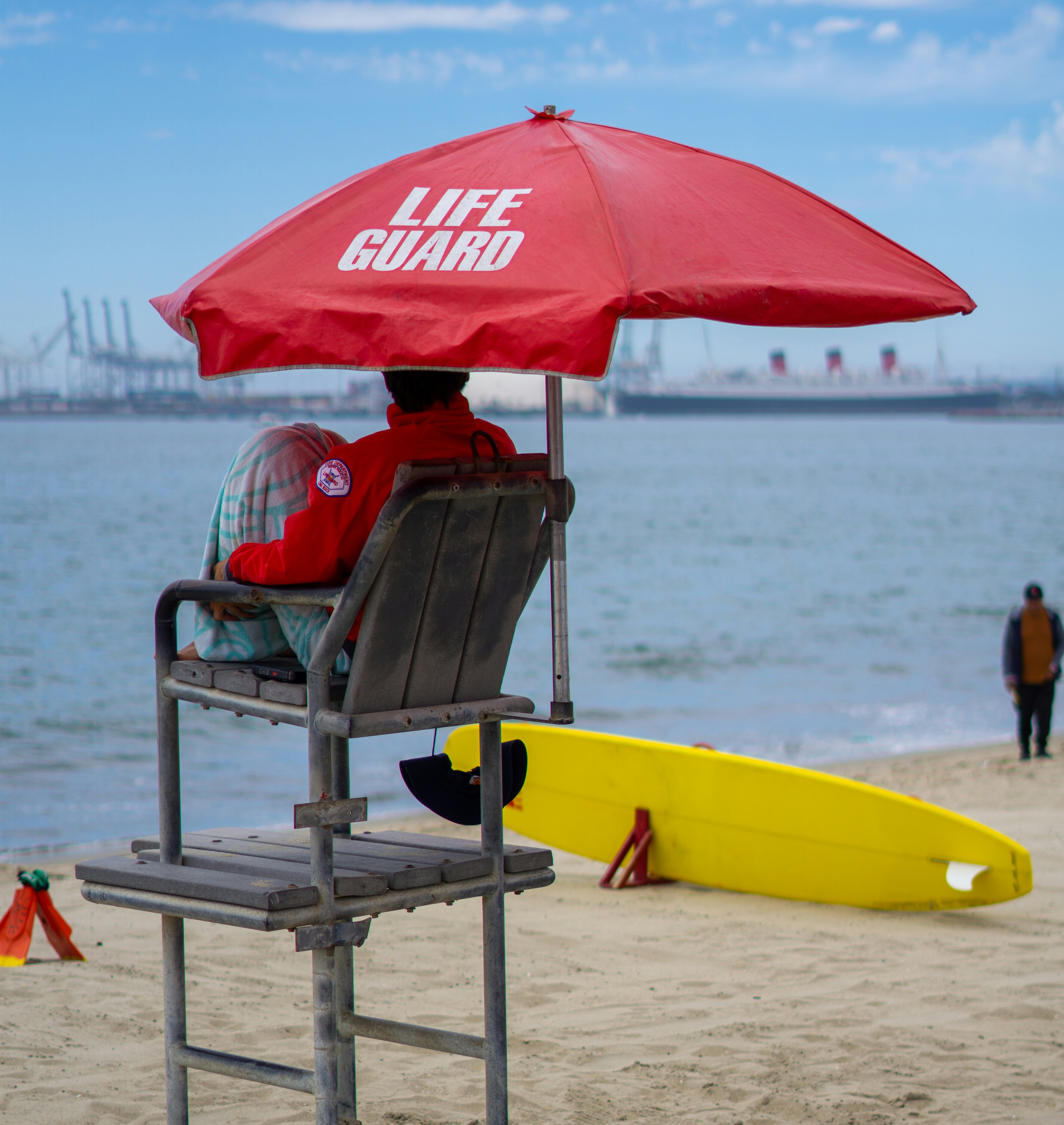
Summer is a season for vacations, pool parties, barbecues, boating, and celebrating holidays like the Fourth of July. While these activities create lasting memories, they also bring an increase in injuries and medical emergencies.
From drowning incidents to heat-related illnesses and fireworks accidents, the summer months place families at greater risk. Knowing CPR and basic first aid can make the difference between waiting for emergency responders and taking lifesaving action when every second counts.
Summer Brings More Emergency Situations
According to national safety organizations, emergency departments see a noticeable increase in preventable injuries during the summer months. Some of the most common include:
- Swimming and drowning emergencies
- Boating accidents
- Heat exhaustion and heat stroke
- Choking during cookouts and family gatherings
- Bicycle and recreational sports injuries
- Fireworks-related burns and trauma around the Fourth of July
The Fourth of July is consistently one of the busiest days of the year for emergency rooms. Thousands of people are treated annually for fireworks-related injuries, and many more require emergency care due to water-related accidents, burns, and outdoor injuries.
While not every emergency requires CPR, cardiac arrest and drowning can happen unexpectedly. Being prepared allows you to act immediately while emergency medical services are on the way.
Drowning Can Happen in Seconds
Summer means more time around pools, lakes, and beaches. Unfortunately, drowning remains one of the leading causes of accidental death for young children and is a significant risk for adults as well.
When someone is pulled from the water and is not breathing normally, immediate CPR can dramatically improve their chances of survival. Every minute without CPR reduces the likelihood of survival, making prompt action critical.
Whether you're a parent, grandparent, babysitter, swim coach, or simply enjoy spending time near the water, CPR is a valuable skill that could save a life.
Cardiac Emergencies Don't Take a Vacation
Although many people associate cardiac arrest with older adults, it can happen to anyone at any age. Heat, dehydration, strenuous outdoor activity, and underlying medical conditions can all contribute to emergencies during the summer.
Sudden cardiac arrest occurs when the heart unexpectedly stops beating. Without CPR and, when available, an AED, survival rates decrease rapidly.
Learning CPR prepares you to respond confidently until professional help arrives.
Fireworks and Cookouts Bring Additional Risks
Fourth of July celebrations often include grills, fireworks, and large family gatherings. While these traditions are fun, they also create situations where first aid knowledge becomes invaluable.
Common holiday injuries include:
- Burns from fireworks or grills
- Cuts and lacerations
- Choking during meals
- Falls and recreational injuries
Knowing basic first aid alongside CPR helps you respond quickly while waiting for emergency responders.
CPR Training Is Easier Than You Think
Many people assume CPR certification takes an entire day or requires a medical background. In reality, modern CPR courses are designed for everyone.
Most CPR classes teach participants how to:
- Recognize the signs of cardiac arrest
- Perform high-quality chest compressions
- Use an Automated External Defibrillator (AED)
- Assist choking adults, children, and infants
- Respond to common emergency situations with confidence
Whether you're a parent, teacher, coach, caregiver, or simply want to be prepared, CPR training provides practical skills you'll carry with you for years.
Make Safety Part of Your Summer Plans
Before your next pool party, camping trip, beach vacation, or Fourth of July celebration, take a moment to think about emergency preparedness.
Simple steps can help keep your family safer:
- Learn CPR and First Aid.
- Supervise children around water at all times.
- Keep a stocked first aid kit nearby.
- Stay hydrated and recognize the signs of heat illness.
- Follow fireworks safety guidelines and leave large displays to professionals.
- Know the address of your location in case you need to call 911 quickly.
Be Ready When It Matters Most
No one expects an emergency during a family celebration, but preparation can make all the difference. CPR is one of the few skills that empowers ordinary people to save lives before emergency responders arrive.
This summer, invest a few hours in learning CPR. It's a small commitment that could have a lifelong impact on someone you love.
Whether you're spending the Fourth of July by the pool, enjoying a day on the water, or gathering with family for a backyard barbecue, make safety part of your celebration. The best memories are made when everyone gets home safely.